


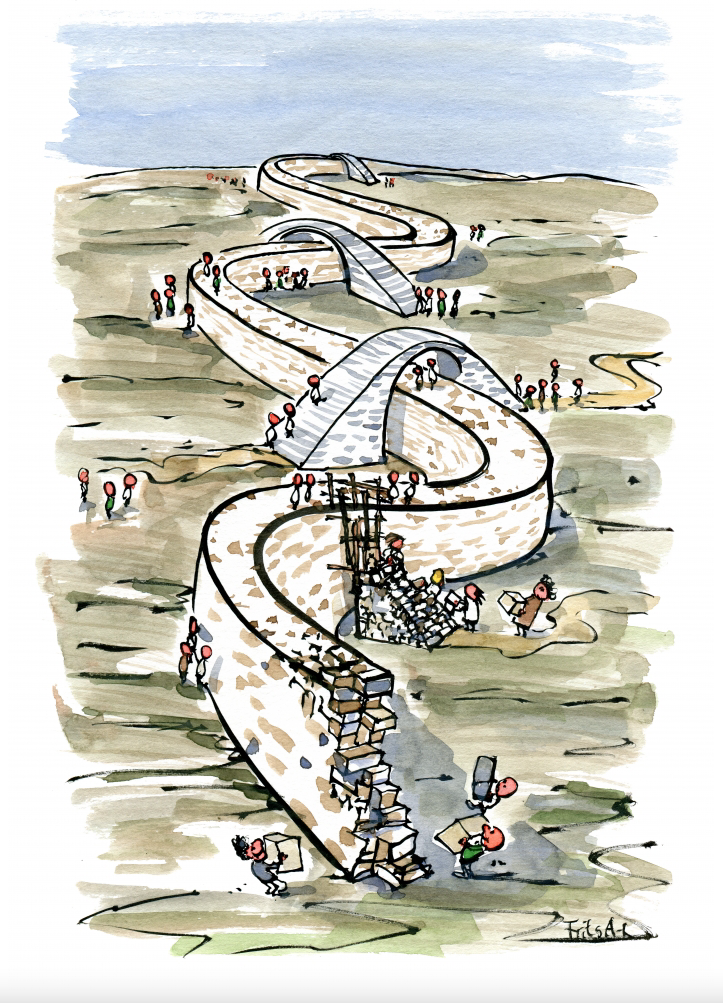
Vocal Health Professionals - gatekeeping or bridge-building?
The British Voice Association (BVA) comprises members from a wide spectrum of disciplines and interests. Our philosophy emphasizes inclusiveness and learning from one another. While defining our individual scopes of practice is important, it is only a small part of the larger picture. True inclusivity goes beyond working within a multidisciplinary team; it involves recognising and welcoming those who may seem like outsiders—practitioners who operate outside of established guidelines but who may offer valuable contributions.
As healthcare becomes increasingly complex, the integration of non-clinicians—such as singing teachers, counsellors, massage therapists, nutritionists, or acupuncturists—has become more important than ever. These practitioners bring specialized knowledge that complements clinical work, and recognising and respecting their contributions is crucial for effective person-centred care.
In a world where conflict often arises from suspicion and the perception of the "other", it’s natural to respond to any perceived threat by building walls to protect our identity and territory. This instinct to shut out those who encroach on our space, however, can be limiting, particularly in fields where collaboration and inclusivity are essential. In healthcare, especially within the realm of voice care, this tension manifests in the way we handle gatekeeping and role identity.
Gatekeeping and role identity are critical in ensuring quality care, upholding professional standards, and maintaining the integrity of healthcare professions. However, these concepts can also create barriers when they become too rigid, limiting collaboration and reinforcing power dynamics. Strong role identity can sometimes lead to an "us versus them" mentality, particularly when clinicians and non-clinicians are involved. This rigidity can hinder teamwork and stifle the innovation that other practitioners can bring.
Challenges will arise when someone outside the established structure begins to practice in a way that resembles your own but without the same training or experience. It’s easy to feel frustrated or attempt to block them out, but a more constructive approach can be to open channels of communication. Maverick practitioners, who think outside the box and challenge the status quo, can bring fresh perspectives and drive positive change. Yes, their unconventional methods may sometimes clash with established norms, creating tension if perceived as a challenge to the expertise of other team members. To address these challenges, we at the BVA can focus on creating an environment that promotes collaboration, defines clear roles, and embraces open communication:
1. Define Clear Roles and Responsibilities: To include all practitioners equally and effectively, it’s important that each specialism sets clear expectations and boundaries. This doesn’t mean stifling creativity but rather providing an agreed framework within which they can operate. Clarifying which areas are open to experimentation and which require adherence to established guidelines, ensures that innovation can thrive without compromising the integrity of the individuals’ scope of practice.
2. Promote Interprofessional Collaboration: Regular interdisciplinary meetings and joint training sessions build mutual respect and understanding, breaking down silos and fostering a more cohesive team environment.
3. Provide Cross-Training Opportunities: Cross-training allows clinicians and non-clinicians to gain insight into each other’s work, promoting a more holistic approach to voice care and enhancing job satisfaction and professional growth.
4. Establish Open Communication: Shared platforms for communication ensure that everyone is aware of each other’s roles and contributions, creating a more integrated and responsive system.
In balancing creativity with structure, we can build a more integrated, responsive, and person-centred organisation that values and leverages the diverse expertise of all its members.